
A Partner's Perspective
by Fred Pelton, member, Parkinson's Support Group of Green Valley, December 2019
My wife and I have been attending Parkinson's support groups for more than 25 years. We have met many people in the same or similar situation as ourselves. A keen observation we have come away with is every Parkinson's patient is different. And more importantly every Parkinson's patient caregiver is different.
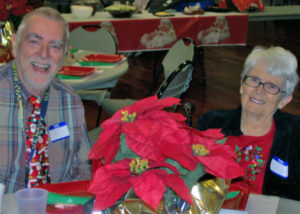
Fred and Marlene Pelton
In the Parkinson’s Support Group of Green Valley, we are surrounded by others in the same or similar situations as ours. The group gives everyone an opportunity to vent their frustrations, talk about their fears and receive support that they cannot receive anywhere else. Also, we appreciate the benefit of additional resources either from the leader or other caregivers in the group. The group is a way for us to realize we are not alone and it helps the care partners be the best they can be.
Though a labor of love, providing care to a spouse is demanding work, sometimes making the caregiver feel lonely and depleted. In these cases, caregiver support groups can be a powerful source of hope, support and information when times become particularly challenging.
When a loved one needs help due to dementia or other age-related diseases, our life undergoes a dramatic change. Not only will family roles change, but our everyday schedule does as well. We may also be mourning the loss of our loved one’s health, relationships, and authority.
It can feel exhausting trying to juggle these new challenges. I find our support group helps remedy many of these problems and provide support that fits my situation so that I no longer feel alone. Those sitting with me are experiencing similar feelings and shifts in their relationships.
In fact, our support group “improves social networks and they can reduce stigma, isolation and feelings of alienation among members.”
I am not the only one who feels or has felt these things. The comfort of knowing someone understands can help me keep moving forward and adjust to the new needs of my partner. It also allows an opportunity to contribute to other caregivers, give them words of encouragement and share hints from lessons I have learned or things I have learned from other caregivers.
Caregivers can feel guilty for being frustrated or annoyed. They have no outlet to express these feelings, so they tend to explode at the wrong time, and possibly in inappropriate ways. Learning how to avoid this situation is VERY beneficial!!! In our support group, we have people who are receptive to venting and frustration. They understand what we are going through and they want to help us express our feelings in a healthy situation.
When we are surrounded by others who better understand our intentions and feelings, it is easier to step back and look objectively at our situation. We are more open to accepting what the future holds for US. We are more open to adjusting our plans as things change. We also gain more depth in our understanding of services and responsibilities due to the lectures we have about medicines on the horizon, legal responsibilities, and helpful services available in the Green Valley area. The people in our support group are in different places on their caregiver journey. It is possible some have already gone through the whole trial-and-error process in finding treatments and doctors that have worked for them. They can recommend treatments and combinations you might not have heard of.
Personally, I get great satisfaction in the social networking, exercise class, dinners and breakfast at the Chicago Deli.
It's considerably easier when there are those that can help you push the rock up the hill. I love everyone in our support group. A big thanks to all of you!!!
By the way, most importantly, involvement in support groups can help delay nursing home placement decisions.
Parkinson's Support Group of Green Valley
PO Box 714
Green Valley, AZ 85622
520-499-3858
supportgroup@gvparkinsons.org